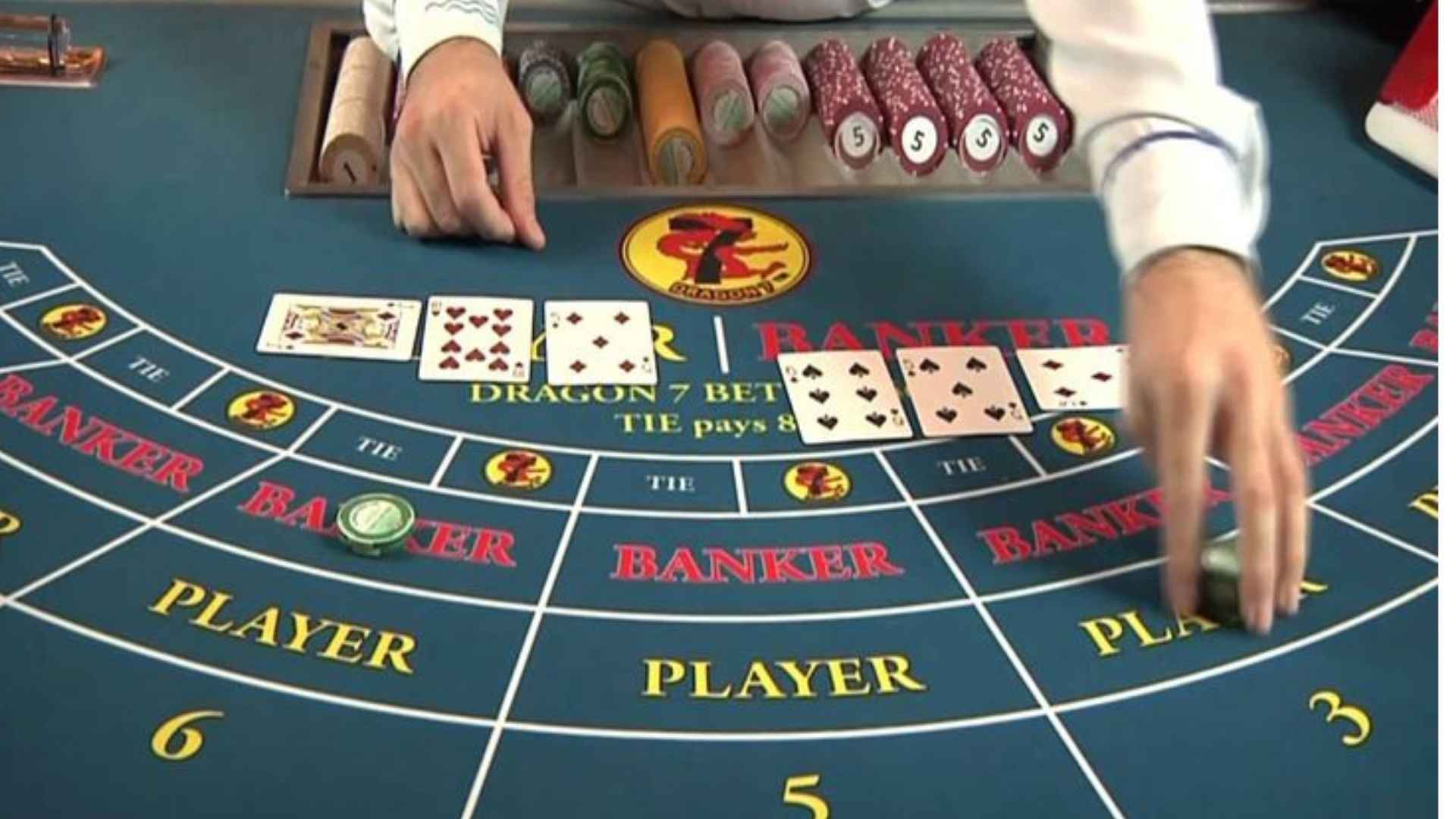
Mastering contract bridge requires far more than just basic card placement or a strong memory of the rules. To consistently outperform experienced opponents, players must learn to look several steps ahead and analyze the shifting dynamics of the entire table. By treating each hand as an analytical puzzle, individuals can develop highly advanced strategic thinking habits that apply both on and off the card table.
The Core of Analytical Planning during the Auction
Every successful plan in bridge begins long before the first card is led onto the table. The bidding phase serves as an intricate communicative dialogue where you and your partner piece together a puzzle based on limited data. By learning to decode subtle bidding conventions, you can train your mind to build logical deductions about hidden hand distributions.
Developing an analytical mindset during this stage forces players to weigh risk against reward effectively. To sharpen these critical evaluation skills, many enthusiasts engage with competitive platforms like M88asia to test their strategic decision-making under real-time constraints. Prioritizing clear partnership systems over raw instinct ensures that your team forms an unbreakable foundation for the gameplay that follows.
Formulating a Fluid Declarer Strategy
Once the auction phase concludes and the dummy hand is officially revealed, the declarer must avoid rushing into the opening trick. Taking a deliberate pause to count potential winners and immediate losers allows you to formulate a robust roadmap for the round. This specific habit trains the brain to anticipate future roadblocks and map out efficient entry management.
A major key to advanced strategic play involves recognizing how side suits can be established to capture additional tricks later. This long-term approach often forces your opponents into difficult positions where they must discard vital defensive holdings. Adapting your plan to counter unexpected card placement teaches cognitive flexibility and deepens analytical endurance.
Enhancing Logic through Structured Defense
Playing on the defensive side in bridge offers arguably the greatest opportunity to exercise advanced critical thinking skills. Without access to the declarer's plan, defenders must rely completely on observation, defensive signaling, and logic to disrupt the contract. Every card played by your partner provides a valuable clue regarding their remaining strength and distribution.
Mastering standard opening leads and reading your opponents' behavioral tempo helps you visualize the entire layout of the table. Effective defense requires constant collaboration and trust between both partners to secure a competitive victory. Over time, practicing these focused defensive habits naturally sharpens real-world problem-solving abilities and pattern recognition skills.
Cultivating Mindful Practice Routines
True strategic growth in bridge comes from a dedicated commitment to reviewing past performance and analyzing complex mistakes. Examining the hands where your strategy failed provides the most reliable insights into correcting logical blind spots. This disciplined review process ensures that your tactical judgment constantly improves with every single session.
Engaging in targeted partnership drills can accelerate your understanding of complex bidding structures and defensive coordination. As these analytical habits become second nature, your overall confidence and speed at the table will increase dramatically. Ultimately, the cognitive rewards of playing bridge remain a lifelong asset for anyone seeking sharper mental agility.