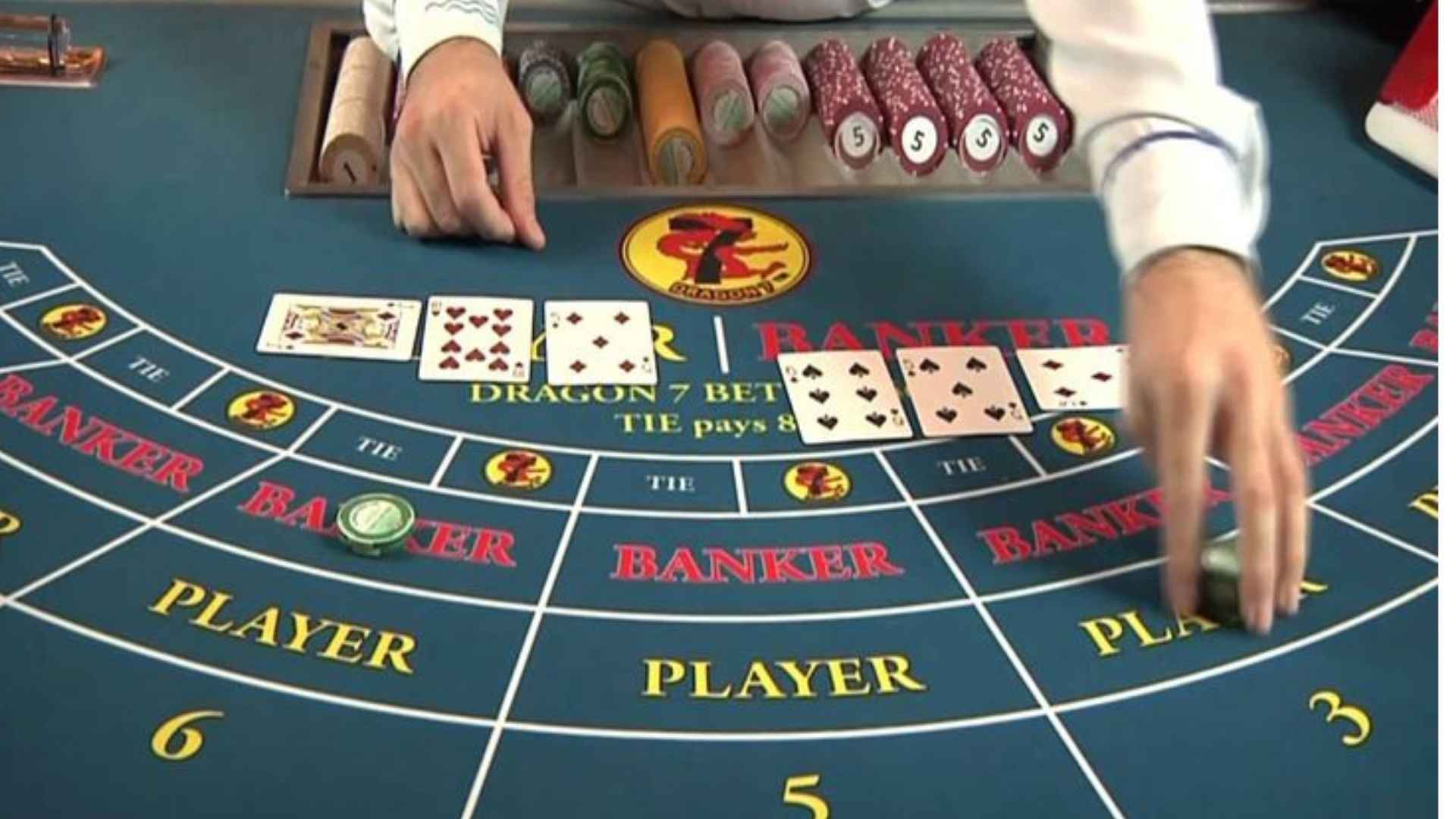
Mathematics education often encounters hurdles when students face abstract theories that seem disconnected from practical reality. By introducing hands-on probability activities, educators can demystify numerical uncertainty and foster an environment where learners thrive. These engaging exercises transform complex statistical concepts into approachable lessons that significantly elevate student self-assurance.
The Value of Experiential Math Learning
When students actively manipulate physical objects to explore chance, their anxiety regarding mathematical formulas begins to decrease. Using simple items like colored marbles or spinning wheels allows individuals to see theoretical percentages come alive in real time. This direct engagement bridges the gap between static textbook equations and visible, logical outcomes.
As learners document their results over multiple trials, they discover that random events follow predictable distributions. This realization builds foundational cognitive skills that encourage logical deduction rather than reliance on blind guesswork. Ultimately, turning data collection into an interactive experience empowers students to trust their own analytical capabilities.
Practical Classroom Strategies for Success
Implementing targeted experiments is a highly effective way to demonstrate the mechanics of odds without overwhelming young minds. Instructors can organize small group challenges where participants predict the outcome of drawing cards from a custom deck. This collaborative environment prompts healthy academic dialogue and teaches students to view unexpected variations as learning opportunities.
For older students, introducing digital simulations can expand their comprehension of long-term frequency distributions. Platforms that offer structured digital models, such as the system at M88bet, illustrate how random number generators maintain mathematical equity. Analyzing these modern interactive structures helps learners appreciate the real-world utility of statistical science.
Differentiating Between Guesswork and Strategy
A major breakthrough in a student's educational journey occurs when they learn to distinguish pure luck from calculated decisions. While a single coin toss represents a basic fifty-fifty split, sequential events open the door for strategic planning. Activities that highlight this difference help individuals manage their expectations and reduce frustration when facing unpredictable results.
Developing this balanced mindset requires careful observation of recurring patterns across extended classroom exercises. By evaluating historical data points, students become proficient at estimating future risks and adjusting their problem-solving approaches. This analytical transition prepares them for complex decisions well beyond the boundaries of standard mathematics curricula.
Long-Term Benefits of Analytical Activities
Engaging regularly with probability concepts instills a lifelong appreciation for data-driven thinking in an increasingly complex world. Students who master these foundational principles show greater confidence when interpreting scientific reports and financial trends later in life. Cultivating this literacy early ensures that next-generation thinkers can navigate uncertainty with clarity and poise.
Furthermore, these interactive lessons nurture general problem-solving skills that apply to various academic disciplines. By embracing randomness as a structured concept rather than a chaotic force, learners remain resilient in the face of academic challenges. Investing time in dynamic probability activities creates a strong educational foundation that supports ongoing cognitive growth.