The global journey of classic card games often highlights how local customs can transform a single set of rules into multiple distinct cultural heritages. Baccarat serves as an exceptional example of this phenomenon, evolving from an intimate European parlor game into a collection of unique regional variations. As the game traveled across borders, different societies modified its structural mechanics to mirror their own social values and entertainment preferences.
The Aristocratic Roots of European Variations
In nineteenth-century France, the game became deeply embedded within high society circles as a sophisticated social ritual. French aristocrats favored variations like Chemin de Fer, where players actively took turns acting as the banker and managing the collective financial risk. This participatory structure fostered an environment centered around personal reputation, mutual trust, and face-to-face psychological interaction.
Meanwhile, neighboring regions developed Baccarat Banque, which introduced a more formalized approach to the traditional banking system. This continental variant allowed a single dedicated dealer to play against two halves of the table simultaneously, balancing the competitive tension. These early European styles prioritized slow-paced engagement and strategic drawing choices over rapid, mechanical outcomes.
The American Shift to Streamlined Automation
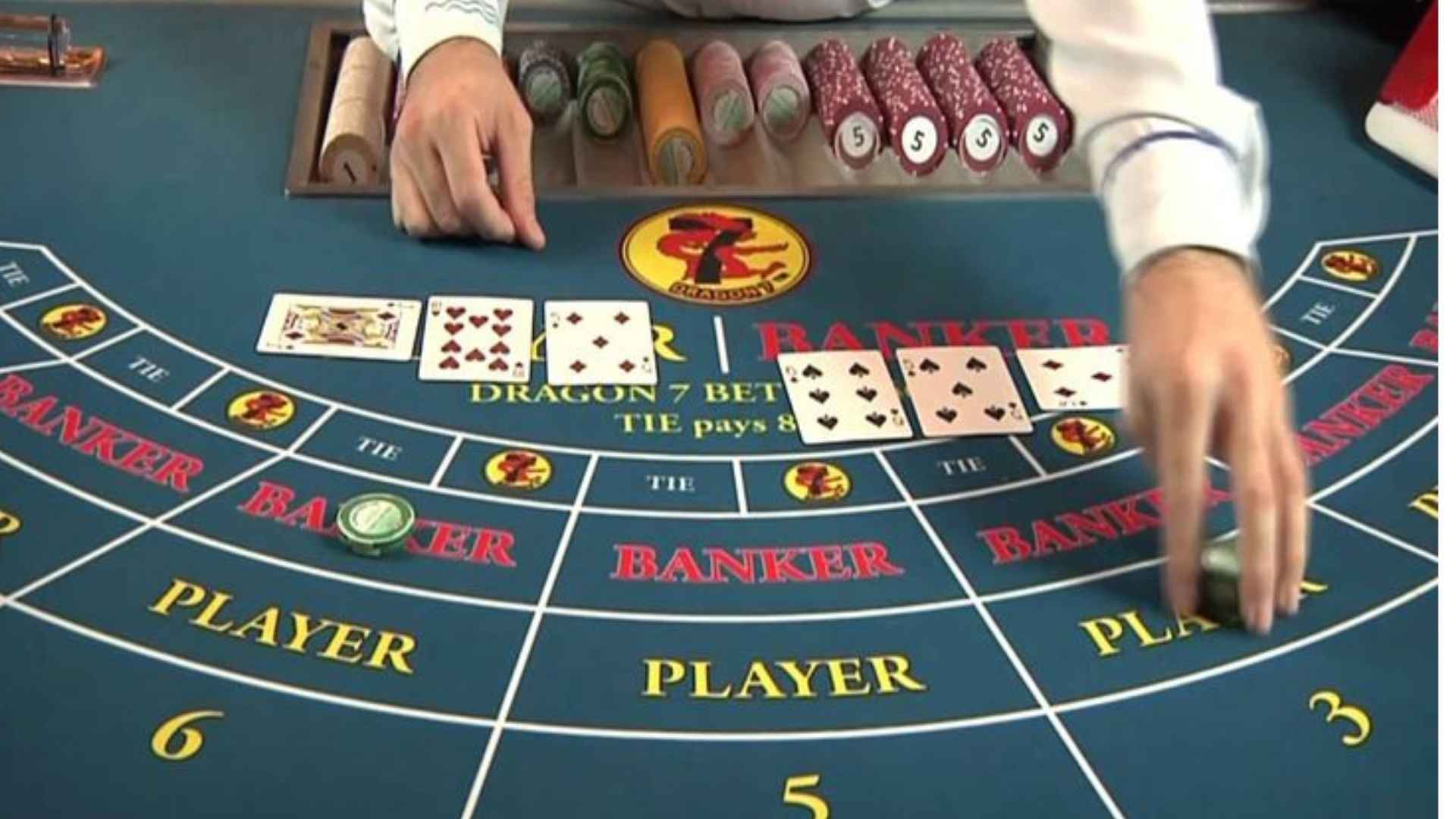
When the game crossed the Atlantic, American gambling venues completely reimagined the traditional layout to maximize efficiency and appeal to a broader audience. The introduction of Punto Banco shifted all decision-making power away from the participants and placed it into a rigid, automated system. Players no longer chose whether to draw a third card, as strict mathematical rules now dictated every single action on the felt.
This structural transformation turned a highly interactive social contest into a fast-paced game of pure chance. By eliminating player choices, casinos successfully reduced table tension and attracted individuals who preferred straightforward probability over complex tactical gameplay. Today, enthusiasts can easily experience this modernized, efficient approach to gaming by completing an m88 msports login online.
Asian Gaming Culture and the Rise of Macau
The modern epicenter of baccarat gaming shifted dramatically when the industry expanded rapidly across Asian entertainment hubs, particularly in Macau. In this region, the game became a profound cultural phenomenon driven by unique rituals and a deep respect for shifting patterns. Players introduced distinct physical customs, such as slowly squeezing and bending the edges of the cards to reveal the values incrementally.
This intense focus on the physical elements of the deal added an entirely new layer of psychological drama to the automated Punto Banco structure. Large crowds often gather around these high-stakes tables to observe the shared energy and track historical outcomes on complex digital scoring grids. This regional adaptation demonstrates how a game with fixed rules can be completely revitalized through communal passion and local traditions.
The Contemporary Era of Global Digital Integration
The transition into the digital age has allowed these diverse regional practices to merge into a single accessible platform. Modern software solutions now offer classic European formats alongside fast-paced American and Asian variations on the same digital network. This technological integration ensures that the unique historical legacy of each region continues to thrive in a highly connected environment.
Ultimately, exploring how different cultures shaped baccarat reveals that the allure of card games lies in their adaptability. Whether through the quiet etiquette of French salons or the lively card-squeezing rituals of Macau, regional traditions have successfully preserved the rich heritage of this timeless pastime.