The digital entertainment landscape has experienced a major transformation as more individuals seek immersive experiences from the comfort of their homes. Live dealer entertainment has emerged as a standout sector within this shift, bridging the gap between traditional physical venues and virtual convenience. By broadcasting professional presenters in real time, these modern platforms provide a level of social connection that standard digital formats simply cannot match.
The Core Technologies Driving Real-Time Streams
The ongoing success of live streaming setups relies heavily on highly advanced broadcasting engineering and camera infrastructure. Specialized studios use multiple high-definition cameras to capture every angle of the table action, ensuring complete transparency for participants. This crystal-clear video feed is combined with real-time data overlays so choices can be made instantly.
Furthermore, optical character recognition technology plays a vital role by instantly translating physical movements into digital information. This means that card values or wheel results are processed without any manual delays, creating a seamless loop of interaction. The result is a highly responsive ecosystem where players can focus entirely on enjoying the environment.
Why Social Interaction Enhances the Experience
One of the primary reasons this format continues to attract a larger audience is the built-in social component. Unlike traditional software that isolates players against a computer algorithm, live platforms allow for genuine human connection. Participants can communicate with the hosts and chat with fellow players throughout the broadcast session.
This friendly atmosphere mimics the shared excitement found in physical entertainment centers, making the pastime far more engaging. Many reputable hubs, including M88asia, focus heavily on training their hosts to maintain an upbeat and welcoming environment. This emphasis on hospitality helps new users feel comfortable while keeping experienced players returning regularly.
The Growing Demand for Mobile Accessibility
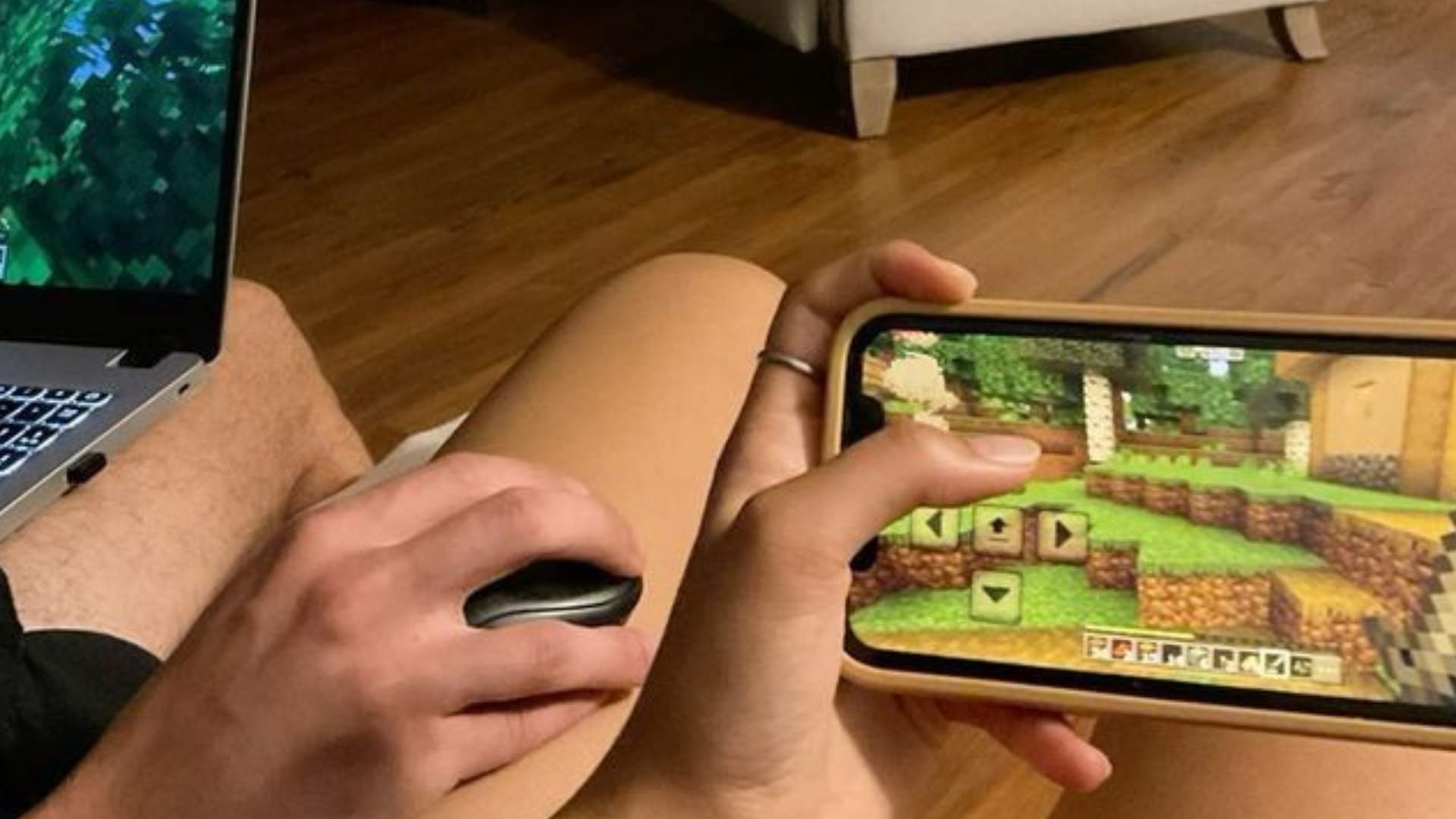
As smartphone hardware and mobile networks continue to improve globally, the demand for portable streaming options has skyrocketed. Developers now optimize their live streams to run perfectly on smaller screens without compromising video quality or interface navigation. This allows individuals to enjoy a few minutes of real-time entertainment during a transit break or while relaxing outdoors.
Modern user interfaces are carefully re-engineered to support touch gestures and intuitive bet placement on mobile devices. Data consumption has also been optimized to prevent lagging or interruptions when connecting via cellular networks. This flexibility ensures that premium interactive entertainment is accessible whenever and wherever a user chooses.
Future Horizons for Interactive Media Platforms
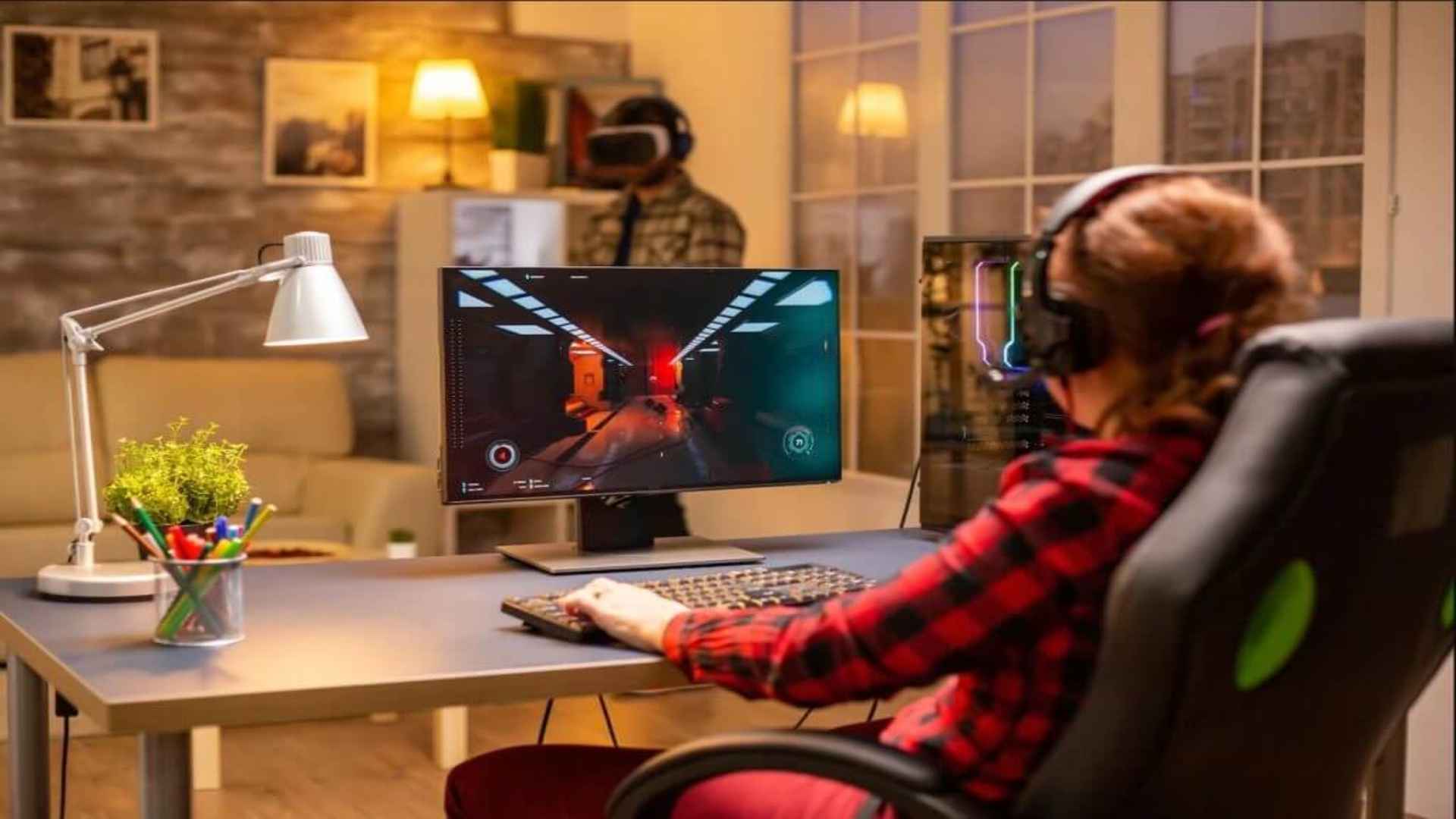
Looking ahead, the evolution of real-time broadcasting shows no signs of slowing down as new interactive features are introduced. Virtual reality integration and augmented overlays are already being tested to make the environments feel even more lifelike. These innovations will likely allow participants to explore simulated studios and interact with objects more naturally.
Additionally, the variety of content is expanding beyond classic table formats to include dynamic game shows and collaborative challenges. This broadening selection ensures that a diverse range of preferences can be accommodated as the industry matures. As technology progresses, the boundaries between physical presence and digital interaction will continue to blur.