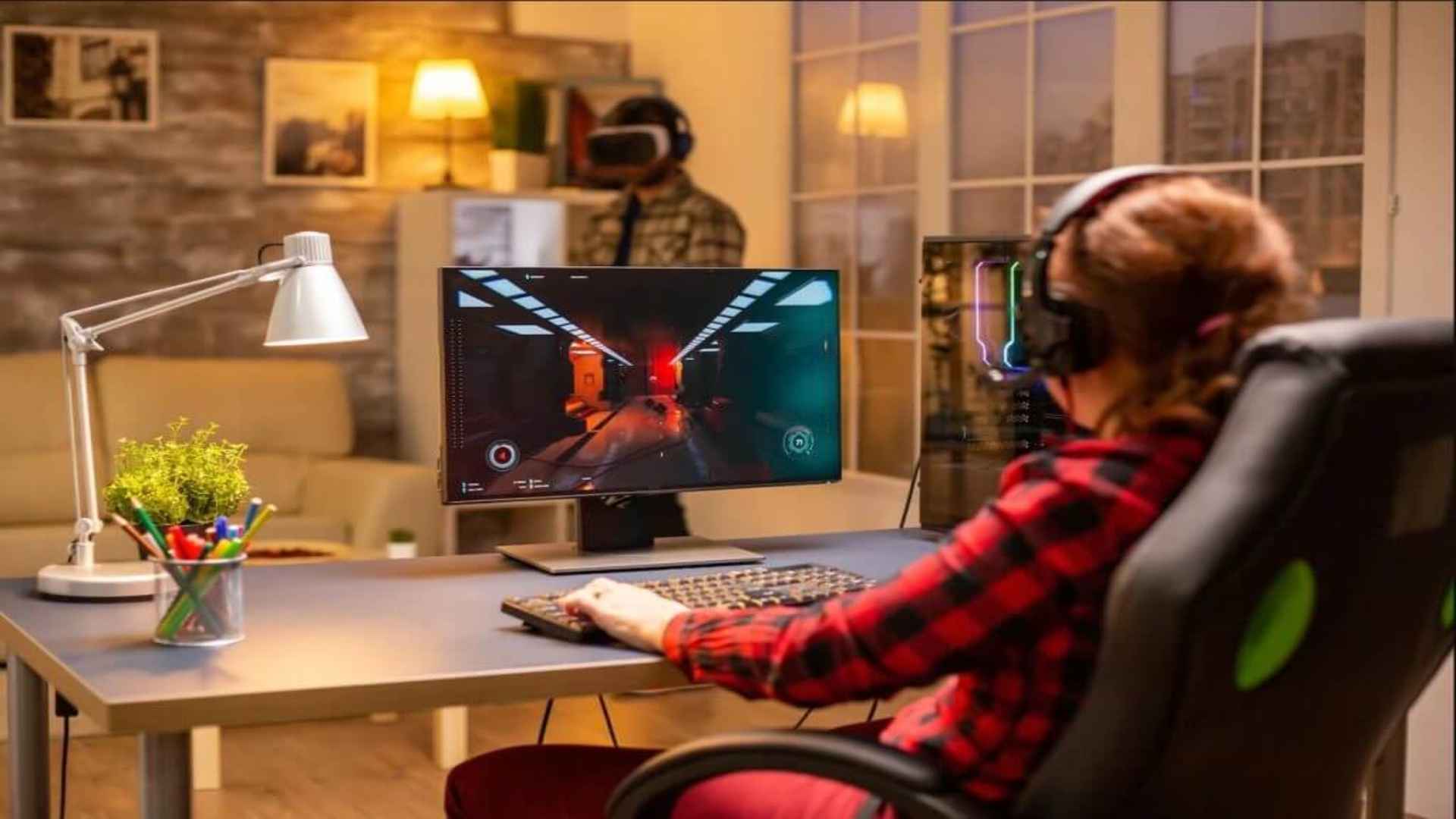
Optimizing your graphics hardware is essential for achieving smooth gameplay and high frame rates in modern video games. While hardware upgrades offer direct benefits, fine-tuning your software configurations allows you to extract maximum power from your existing GPU. By adjusting the Nvidia Control Panel settings for gaming best options for better performance, players can significantly reduce latency and eliminate unwanted visual stuttering.
Optimizing Power Management and Texture Filtering
The global settings configuration within your graphics software plays a monumental role in determining how efficiently system resources are allocated. Setting your power management mode to prefer maximum performance ensures your graphics processor operates at its optimal clock speeds during intense gaming sessions. This simple modification prevents the GPU from aggressively downclocking, which frequently causes sudden framerate drops in hardware-heavy zones.
Texture filtering options present another excellent avenue for balancing visual fidelity and overall rendering speed. Selecting the high performance preset under texture filtering quality streamlines how complex environmental surfaces are processed by the engine. This adjustment delivers a noticeable boost to your fluid dynamics without noticeably degrading the overall image sharpness during fast-paced movements.
Managing Latency Modes and Vertical Synchronization
Input lag can severely impact your competitive edge in multiplayer titles that require rapid split-second reflexes. Enabling the low latency mode to ultra helps minimize the queue of frames waiting to be rendered by your central processing unit. This tight synchronization ensures that your mouse movements and keyboard commands reflect almost instantly on your display panel.
Vertical synchronization is another crucial setting that requires careful management depending on your specific hardware configuration. For users equipped with variable refresh rate displays, enabling global vsync within the control software while disabling it in-game offers the best results. This combination works harmoniously to prevent screen tearing while avoiding the major latency penalties associated with traditional synchronization methods.
Fine Tuning Display Options and Application Profiles
Configuring specific parameters for individual software titles provides greater flexibility than applying sweeping universal changes. The program settings tab allows you to isolate problematic releases and apply tailored modifications without affecting your standard desktop tasks. This granular approach ensures that older titles receive proper compatibility tweaks while modern blockbusters leverage full rendering capabilities.
Ensuring your monitor operates at its native maximum refresh rate is equally critical for translating high engine output into a fluid visual experience. Players can easily confirm their current hardware capabilities under the change resolution section of the management interface. Utilizing the correct digital display connection guarantees that your high-refresh panel functions precisely as the manufacturer intended.