Modern video game design relies heavily on creating a satisfying loop that keeps participants entertained and fully invested over long periods. While complex graphics and deep narratives play a significant role, the underlying systems governing how players are compensated for their time often dictate long-term engagement. Striking the perfect balance between challenge and compensation is essential for fostering true satisfaction.
The Psychology of Player Gratification
Understanding how human psychology responds to virtual achievements allows developers to craft more compelling experiences. When a player overcomes an obstacle, the brain naturally seeks confirmation that the effort was worthwhile. Providing the right type of incentive at the exact moment of triumph reinforces positive feelings and encourages continued exploration.
Different players are motivated by distinct types of feedback, ranging from mechanical advantages to purely cosmetic upgrades. While casual gamers might enjoy frequent and small milestones, hardcore enthusiasts often prefer rarer trophies that signify true dedication. Tailoring these systems to accommodate various playstyles ensures that everyone feels recognized within the virtual environment.
Balancing Randomness and Guaranteed Progression
Unpredictable payout structures can generate immense excitement, but relying solely on chance can lead to intense player fatigue. Combining randomized loot drops with a guaranteed progression track helps maintain trust and eliminates the frustration of long losing streaks. This dual approach ensures that even when luck is not on their side, players are still making measurable headway.
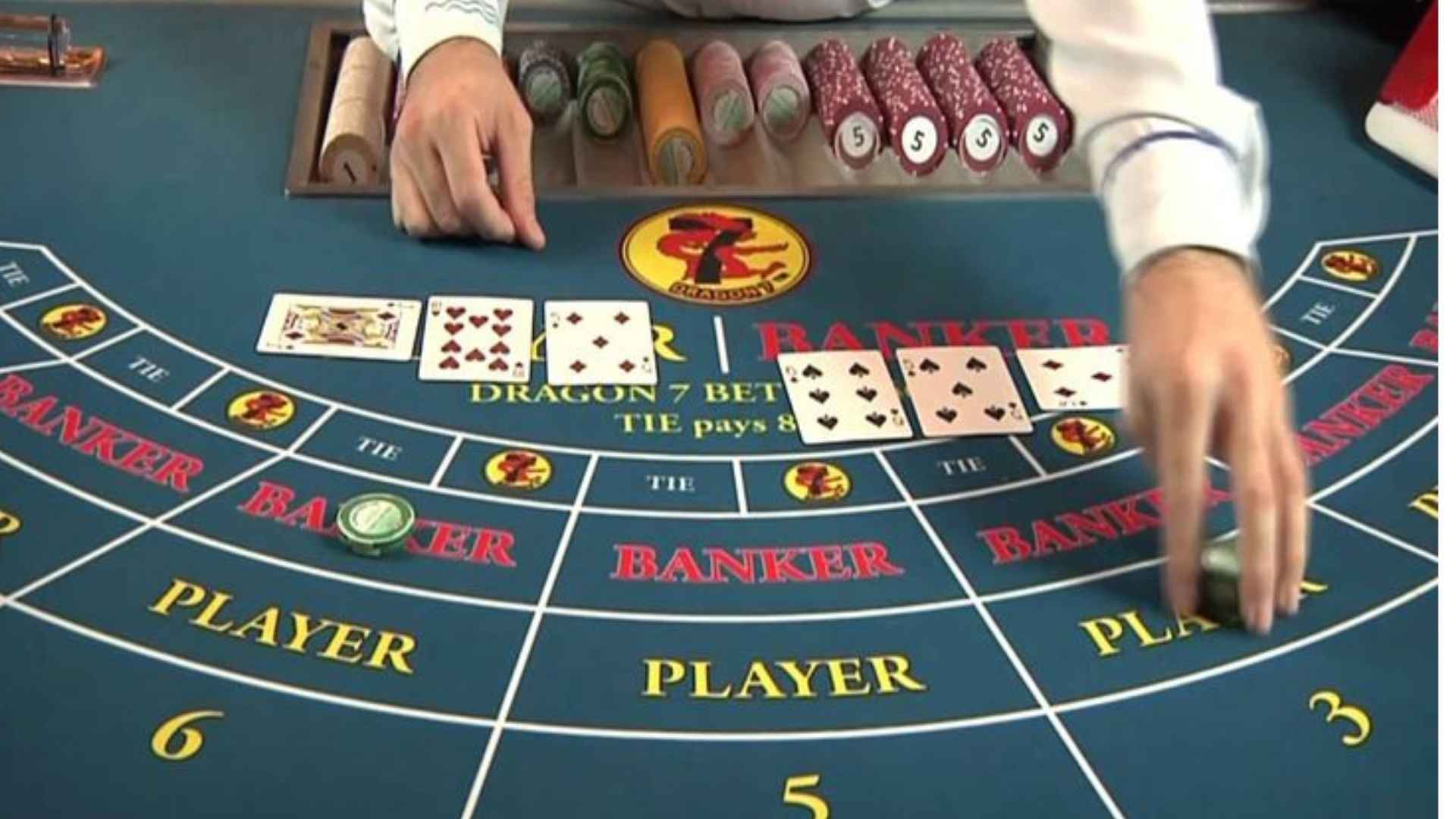
For those who enjoy testing their luck across digital systems, finding platforms that manage probabilities transparently can enhance the overall experience. Enthusiasts often look for established platforms like M88bet to explore randomized outcomes in structured, user-friendly environments. In mainstream gaming, displaying explicit drop rates has similarly become a standard practice to support fair play.
Fostering Community Through Shared Triumphs
Interactive environments thrive when achievements can be shared, compared, and celebrated within a larger social group. Cooperative reward mechanisms, where an entire team benefits from collective success, significantly boost social cohesion and camaraderie. When players know their individual efforts contribute to a group milestone, the sense of accomplishment is greatly amplified.
Furthermore, economy systems that allow players to trade or showcase their hard-earned items add another layer of depth to the experience. A vibrant community marketplace keeps the virtual world feeling alive and gives tangible value to in-game pursuits. This social validation transforms individual entertainment into a deeply shared cultural phenomenon.
The Future of Adaptive Feedback Loops
As artificial intelligence and machine learning technologies advance, game systems are becoming increasingly capable of adapting to player behavior in real time. Future architectures may dynamically adjust pacing and milestone distributions based on an individual's unique skill level and frustration thresholds. This level of personalization could virtually eliminate boredom and ensure maximum entertainment for every participant.
Ultimately, the goal of any modern system should be to enhance the core gameplay rather than overshadow it. When designed ethically and thoughtfully, these incentive loops respect the player's time and elevate the creative work as a whole. As the industry continues to innovate, the relationship between effort and recognition will remain central to digital design.