Tabletop gaming has long served as a vibrant arena for human connection, intellectual challenge, and friendly rivalry. Unlike modern digital distractions that often keep players isolated behind screens, physical and tactical table games demand face-to-face interaction and real-time decision-making. This unique environment fosters a deep, persistent drive to improve and test one's strategies against others, keeping players returning to the table night after night.
The Psychology of Tabletop Rivalry
At the heart of any competitive game is the subtle balance between skill and psychology. Players must learn to read their opponents' physical cues, manage their own emotions under pressure, and adjust their tactics dynamically as the state of the board changes. This mental tug-of-war creates a highly engaging atmosphere where every move feels impactful and deeply personal.
Furthermore, the social nature of tabletop gatherings amplifies this competitive spirit. Winning a tough match is not just about scoring points; it is about outsmarting a friend or colleague in a shared space. This social comparison naturally inspires participants to study the game deeper, developing a continuous cycle of play, analysis, and improvement.
Classic Strategy and Modern Adaptations
Traditional board and card games have survived for generations because they offer an almost infinite variety of tactical scenarios. Games of complete information, like chess, completely eliminate the element of luck, placing the entire outcome on the strategic foresight of the players. This lack of randomness means that defeat serves as a direct lesson, prompting players to refine their approaches for the next encounter.
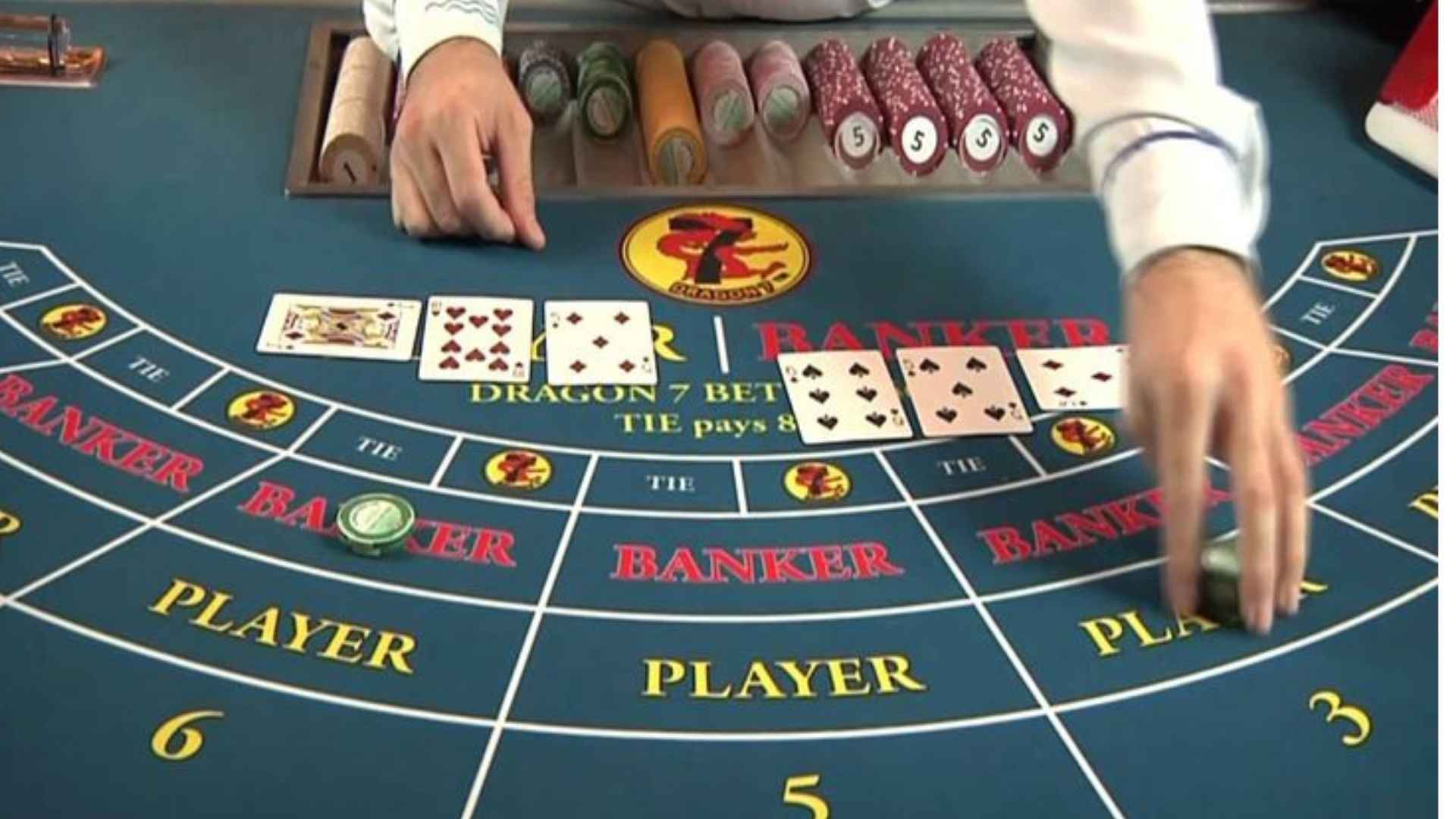
In contrast, modern tabletop designs often combine structured mechanics with elements of calculated probability to keep the gameplay fresh and unpredictable. For enthusiasts looking to translate these refined analytical skills to dynamic online platforms, visiting M88bet offers a secure and engaging environment to explore classic challenges. Balancing risk and reward in these modern formats keeps players on their toes, as they must constantly calculate the statistical odds of their choices.
How Skill-Based Games Cultivate Longevity
Games that rely heavily on player agency and critical thinking naturally possess a much higher replay value. When players feel that their personal growth and strategic decisions directly influence their success, they become more emotionally invested in the outcome. This sense of competence and mastery is a powerful intrinsic motivator that passive entertainment simply cannot replicate.
Ultimately, the table games that inspire the most endless competition are those that challenge our cognitive limits while remaining accessible to newcomers. By offering a clear path to improvement, these games ensure that no two sessions ever feel identical. The pursuit of perfect execution ensures that as long as there is an opponent across the table, the competition will never truly end.