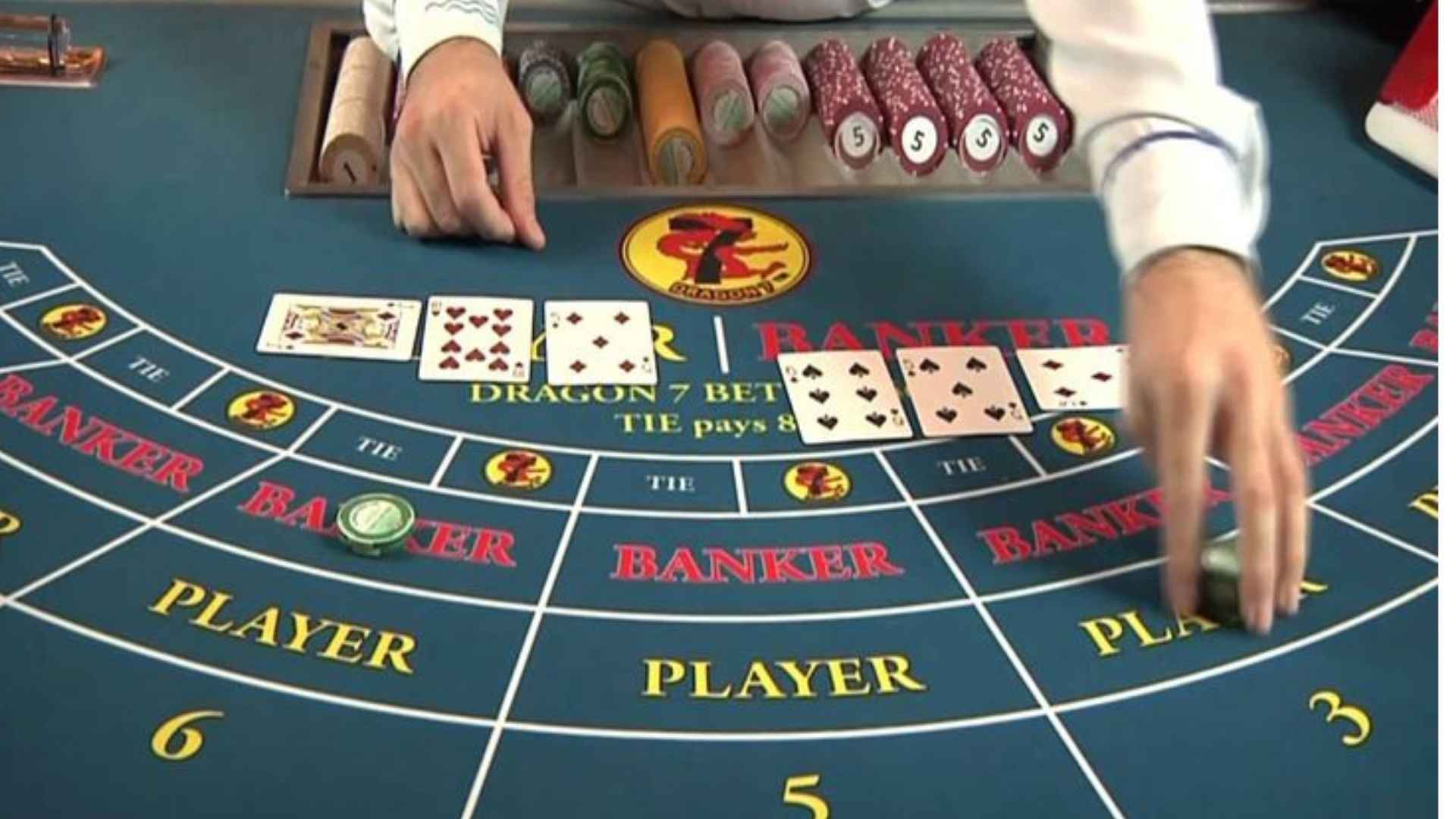
When participating in games of chance, players often find themselves deeply attached to simple tools like rotating wheels, rolling dice, or digital randomizers. Even though these mechanisms operate without bias, human perception naturally fills the void with meaning and anticipation. Understanding why people project personal feelings onto impartial systems reveals fascinating insights into human psychology and cognitive processing.
The Psychology of Pattern Recognition
The human brain is naturally hardwired to discover order within chaotic or random environments. When a player observes a series of impartial outcomes, cognitive biases lead them to perceive emerging trends where none actually exist. This search for hidden logic makes simple mechanical events feel like deliberate stories unfolding in real time.
As participants track previous results, they often develop personal strategies or favorite outcomes based on past occurrences. This mental shift transforms a mathematical probability into a compelling narrative of near-misses and lucky streaks. Consequently, a neutral system begins to feel like an active opponent or a supportive partner.
The Projection of Intent and Agency
People frequently personify non-living objects, assigning motives and temperament to basic visual tools. A slowing pointer on a wheel is often viewed as hesitant, teasing, or deliberately choosing a specific outcome. This anthropomorphism heightens emotional engagement, turning a simple motion into a dramatic event.
In digital entertainment environments, dynamic feedback and fluid animations further strengthen this illusion of agency. Platforms that focus on user engagement, such as those monitored by analysts interested in m88 capital, utilize clear visual cues to keep interactions exciting and transparent. When players watch these visual elements react, they naturally feel a deeper connection to the unfolding process.
Suspense and the Release of Tension
The physical or visual duration of a randomized event creates a natural emotional arc for the observer. As the mechanism moves toward a complete stop, the gradual loss of momentum builds intense psychological suspense. This brief period of waiting forces the mind to imagine multiple potential futures simultaneously.
When the final result is revealed, the sudden resolution triggers a release of built-up tension in the brain. Whether the outcome results in celebration or mild disappointment, the emotional payoff feels authentic. This cycle of building and releasing tension ensures that even repeated interactions stay fresh and engaging.
Finding Meaning in Neutral Outcomes
Ultimately, emotional investment in impartial systems stems from the human desire for personal connection and agency. Players do not just observe a random process; they project their own hopes, expectations, and personal stories onto the board. This interaction demonstrates how powerful the human imagination remains, capable of finding profound drama in the simplest of mechanical turns.