Millions of people around the world purchase lottery tickets every week, dreaming of life-changing jackpots and financial freedom. While buying a ticket offers a momentary thrill, statistical reality presents a vastly different picture regarding your actual chances of hitting the top prize. Understanding how probability works can help players maintain realistic expectations while enjoying games of chance responsibly.
Understanding the True Odds Behind Major Lotteries
The mathematical odds of winning a massive jackpot are astronomically low compared to almost any other event in daily life. In major lotteries like Powerball or Mega Millions, the chances of matching all winning numbers are often around 1 in 292 million or 1 in 302 million. To put these numbers in perspective, an individual is statistically far more likely to be struck by lightning or find a rare pearl in an oyster.
Smaller prize tiers offer significantly better probabilities, though the payouts are appropriately modest. Matching just a few numbers might yield odds of 1 in 38 or 1 in 100, providing smaller rewards that keep players engaged. Recognizing the distinction between lower-tier payouts and jackpot odds helps clarify what players can truly expect from their tickets.
Why Buying More Tickets Does Not Significantly Shift Your Odds
A common misconception among casual players is that purchasing multiple tickets substantially improves their likelihood of winning. While buying ten tickets technically increases your chances tenfold, moving from 1 in 300 million to 10 in 300 million remains a virtually negligible statistical shift. The overall mathematical probability stays exceptionally close to zero regardless of small volume increases.
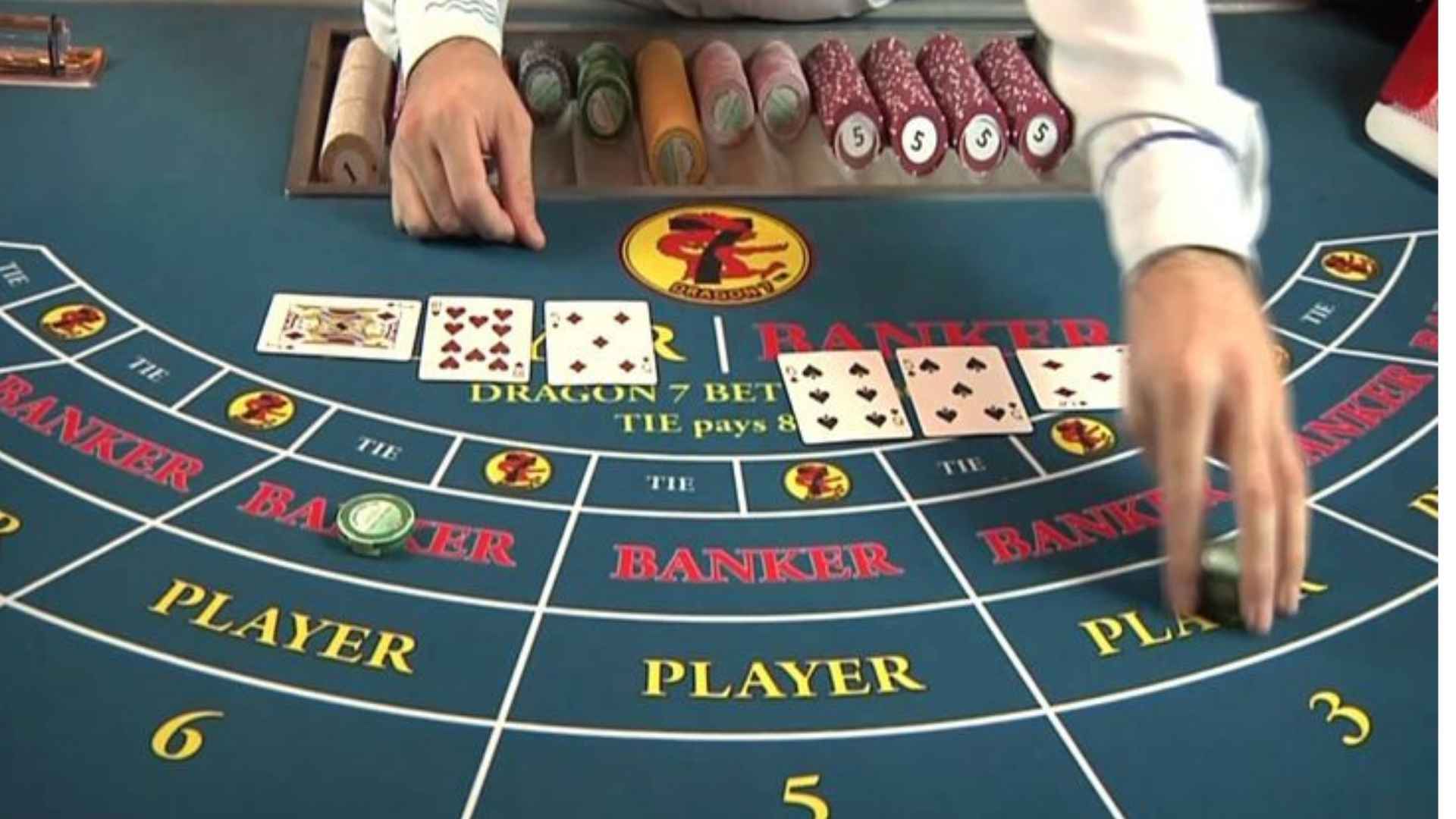
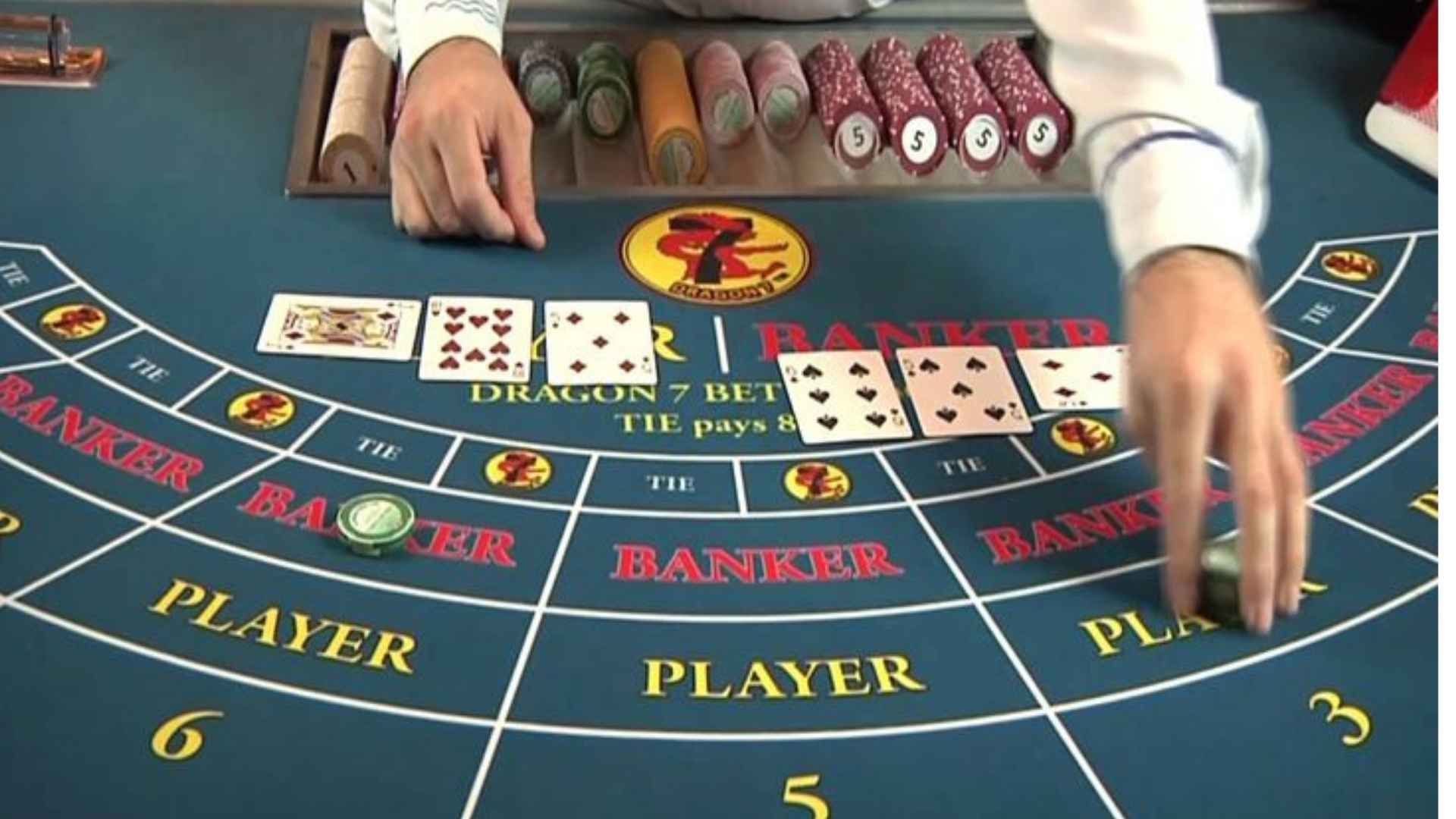
For those interested in exploring gaming options with transparent mechanics and defined probabilities, reviewing structured digital platforms like m88 link can offer broader insights into regulated gaming environments. Understanding how statistical advantages function across different games enables players to make well-informed entertainment choices. Whether analyzing card probabilities or lottery draws, mathematical awareness is essential for balanced play.
The Psychology of Hope and the Law of Truly Large Numbers
Despite the steep odds, millions continue to participate in lotteries because the potential return feels transformative. Psychologists refer to this behavior as availability heuristic and optimistic bias, where players focus on celebrated winners rather than the silent millions who gain nothing. The relatively small cost of a ticket makes the temporary enjoyment of dreaming feel worthwhile for many participants.
The law of truly large numbers also dictates that given enough attempts across a massive population, someone will eventually win the jackpot. This guarantees that news headlines will periodically feature dramatic winning stories, reinforcing the public perception that winning is achievable. However, an individual's personal probability remains unchanged by the success of past winners.
Approaching Lotteries as Entertainment Rather Than Investment
Financial experts consistently advise against viewing lottery tickets as a legitimate investment strategy or wealth-building tool. Because the expected value of a lottery ticket is almost always negative, spending money on tickets yields a predictable loss over time. Allocating discretionary funds toward traditional savings or index funds offers statistically reliable paths toward financial growth.
If you choose to play the lottery, treating it strictly as a casual form of entertainment ensures a healthy relationship with the game. Setting a strict personal budget and never spending money intended for essential living expenses prevents financial strain. Enjoying the excitement of the draw while remaining grounded in mathematical reality allows for safe and responsible participation.